35% off all linen bedding sets & robes      Use code wow35 at checkout

35% off all linen bedding sets & robes      Use code wow35 at checkout

Linen Care 101: Wash, Dry, and Store Like a Pro.

Natural flax linen is one of the most durable, breathable, and luxurious textiles you can bring into your bedroom. Known for its distinct texture and ability to get softer with every single wash, high-quality linen can easily last for decades – if you treat it well.

Whether you’ve just invested in your first set of linen sheets or you want to ensure your favourite duvet cover lasts a lifetime, here is your guide to washing, drying, and storing natural flax linen.

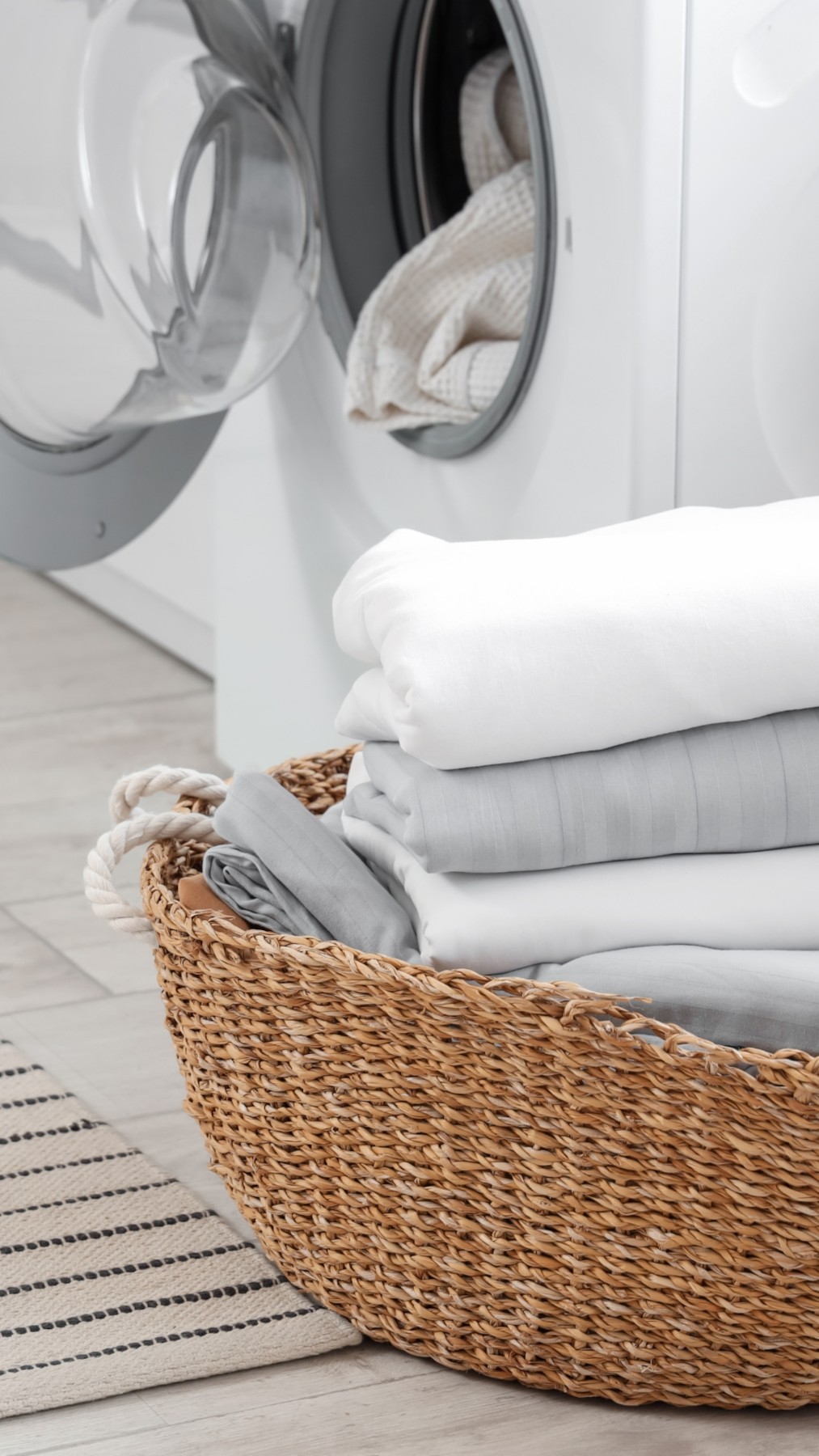
Washing: gentle temperatures & less detergent

Linen fibres are remarkably strong when wet, however, harsh chemicals and high heat can degrade the natural flax over time.

  • Choose the right detergent – use a mild, liquid detergent free of harsh optical brighteners, bleach, or synthetic fragrance.
  • AVOID fabric softeners entirely – softeners coat the natural fibres in a wax-like film, reducing linen’s natural moisture-wicking ability and breathability.
  • AVOID bleach – it’s harsh and may cause yellowing.
  • Keep water temperatures cool to warm – wash your linen bedding in cool or warm water (ideally around 30°C). Like with any natural fibre, high heat can cause flax fibres to shrink and weaken.
  • Don’t overcrowd your washing machine drum – linen absorbs a significant amount of water during the wash cycle. Giving your bedding plenty of room to slosh around freely ensures a thorough rinse and reduces unnecessary friction.
  • Select a gentle cycle – set your machine to a delicate or gentle cycle with a slow spin speed to prevent excessive pulling or twisting.
  • Treat any stains when fresh – if allowed to set, stains may be impossible to remove later.
  • Caution – the use of some skin treatment creams containing ingredients similar to benzoyl peroxide, retinoids, and certain sunscreens is likely to cause discolouration with any bed sheet/pillowcase fabric including linen.

    Linen bedding care

    Drying: embrace low heat

    How you dry your linen plays a huge role in maintaining its integrity and its signature tactile feel.

    • Tumble dry on Low – your suki linen bedding loves a tumble dry, use the lowest heat setting available, it will come out soft and fluffy. You can remove your linen bedding from the tumble dryer while it is still slightly damp (around 95% dry) and lay it flat on your bed to complete the drying process. This prevents the fibres from becoming brittle and helps eliminate deep, set-in wrinkles.
    • Air drying – if you prefer to line-dry, ensure your linen bedding is not in direct sunlight. Like any natural fibre, our extreme sun conditions in Australia can over-dry fibres causing them to become brittle. Additionally, hanging dark linens in direct, intense sunlight, can cause colours to fade over time.
    • SKIP DRYER SHEETS – just like liquid fabric softeners, dryer sheets leave a chemical residue that clogs the weave. Swap them for 100% wool dryer balls to reduce static and fluff the fabric naturally while drying.

    The wrinkle debate: to iron or not to iron?

    The soft, effortless “lived-in” texture is part of natural linen’s charm. It is a natural feature of linen to wrinkle; however, the fibres will relax and wrinkles will smooth out when on the bed. If you prefer a crisp look:

    • Iron while slightly damp – always iron linen while it is still slightly damp,
    • Iron on a warm setting (not high heat) – use a warm setting with steam.

    Storing: let the fibres breathe

    Proper storage prevents mildew and discoloration.

    • Ensure 100% dryness – never store linen if it retains even a hint of moisture, as natural fibres are susceptible to mildew in damp environments.
    • Store in a cool, dry place – choose a dark, well-ventilated closet or linen cupboard.
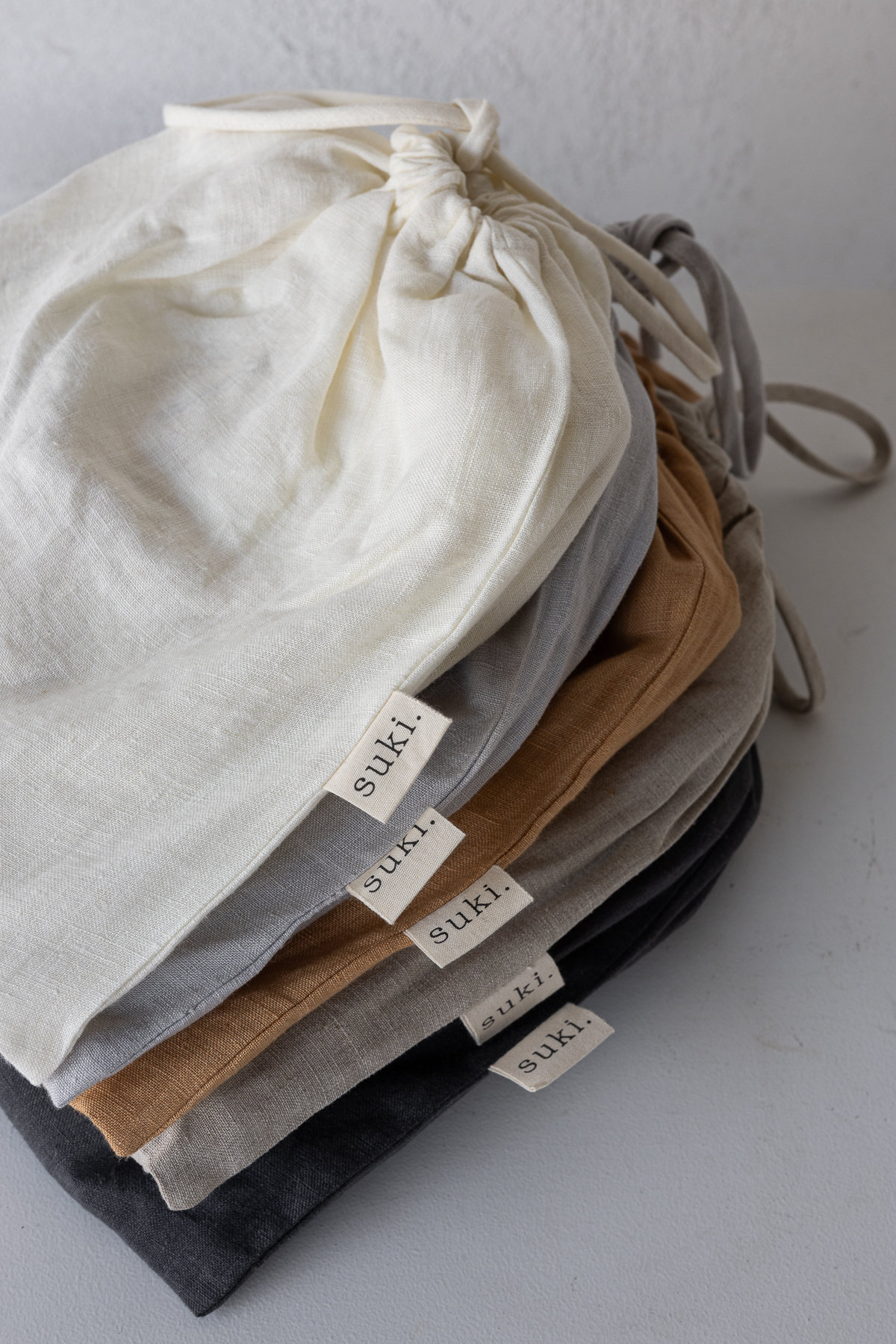
    • Avoid plastic containers – never store natural flax linen in sealed plastic tubs or vacuum bags. Trapped moisture and lack of airflow can cause yellowing and break down the organic fibres. Instead, store your bedding in breathable cotton or linen dust bags or even better, store in the suki linen totes your bedding arrived in.
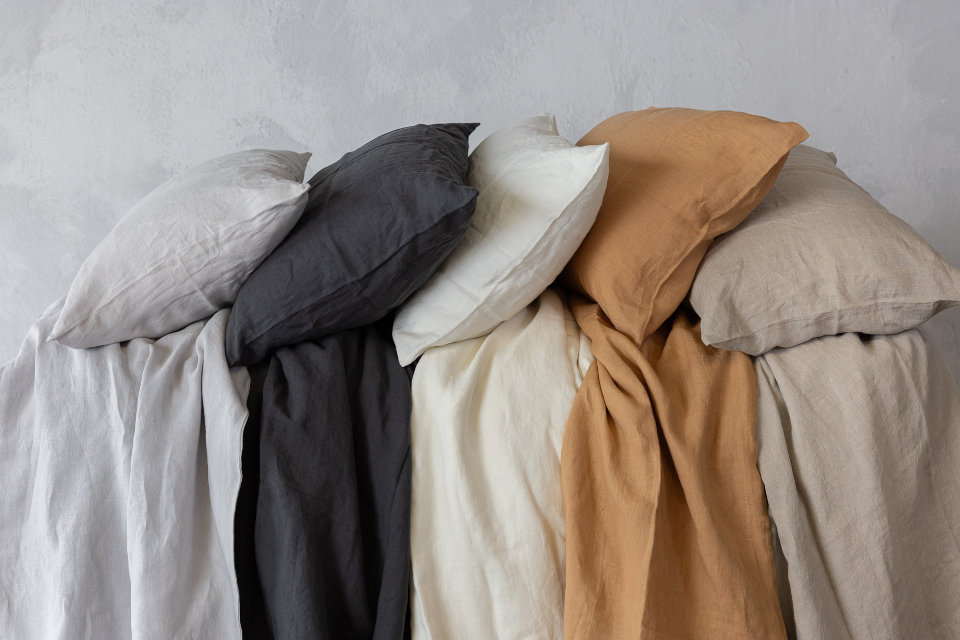
    100% French Flax Linen Pillowcase

    Love your linen?

    Have more than one set and rotate after each wash. This is one of the best ways to ensure your linen bedding gets a rest and you can love your linen for longer.

    Climbing into a bed made with suki 100% French flax linen is like sinking into a cloud of pure, breathable comfort – effortlessly soft, naturally temperature-regulating, and crafted to give you your dreamiest, most peaceful slumber yet.

    Are you sleeping with suki?

    Click to shop suki. 100% French flax linen bedding

    suki collective heart

    See more suki speak

    Continue reading

    Blah blah blah – self-care routines that actually work

    We read it everywhere – ‘self-care’ has become one of the most talked-about lifestyle concepts in recent years and yes, you could hear ‘blah, blah, blah’ or you could stop for a few minutes and consider if there really is something in it. We have discovered some self-care routines that actually work.

    So, what does actually work?

    Many routines shared can feel unrealistic and hard to establish in a busy lifestyle. They may require hours of free time, expensive products, or complicated organisational systems that are difficult to maintain in everyday life.

    Let’s remove the blah, blah, blah and look at some real self-care techniques that are proven to be much simpler and easier to invest time and brain space in. The focus is on small habits that support your physical and mental wellbeing and that you can repeat consistently without making huge lifestyle changes.

    Some practical ideas

    Below are some practical self-care routines that actually work because they are simple, sustainable, and grounded in everyday life – they are tested!

    1.  Start the Day Without Your Phone

    It’s so easy to do!

    Many people reach for their phone the moment they wake up. Email notifications, news, and social media can immediately trigger anxiety, stress and tension before the day has even begun.

    A healthier approach can be to create a short buffer before engaging with screens.

    Try giving yourself the first 10–20 minutes of the morning without your phone. Use that time to stretch, drink water, make coffee, meditate or simply sit quietly. This small habit can help you start the day with more clarity and less overwhelm. It truly works and in the scheme of your day, it is a very small commitment to yourself.

    2. Create a Simple Morning Routine

    A consistent morning routine helps your body and mind transition smoothly into the day.

    It doesn’t need to be elaborate. A simple routine might include:

    • Drinking a glass of water before doing anything
    • Opening a window & standing in front breathing fresh air in deeply
    • Gentle stretching
    • A short walk outside
    • Writing a quick to-do list

    The key is repetition. When these habits become automatic, they can reduce decision fatigue and help you feel more in control of your day.

    3. Prioritise Quality Sleep

    Ok, so we’ve all heard this one over and over and over – so guess what, science supports the concept, it may be time to get onboard!

    Sleep is one of the most powerful forms of self-care, yet it is often the first one we overlook in order to; binge a tv series because we can’t get enough of it, to get that last report lodged, that last email written or that last bill paid on-line.

    A good nighttime routine can dramatically improve sleep quality. Consider creating a consistent wind-down ritual that works for you that you can consistently, mostly (let’s be honest, we will most likely break the routine from time to time and that’s ok) commit to such as:

    • Turning off screens 30 mins before bed
    • Diming the lights in your sleep space (use lamps vs overheads)
    • Reading a book instead of scrolling (after a short time it can become a habit to leave the scroll screen alone)
    • Taking a warm shower just before bed

    Your sleep environment also matters. Breathable bedding and natural materials like 100% linen can help regulate body temperature naturally and support more comfortable sleep throughout the night.

    4. Take Small Breaks During the Day

    Working or focusing for long periods without breaks can lead to mental fatigue.

    Short breaks allow your brain to reset and improve productivity. Even five minutes away from your workspace can make a difference.

    Simple break ideas include:

    • Stepping outside for 2 minutes of fresh air
    • Stretching your shoulders and neck
    • Making a cup of herbal tea and quietly enjoying the first few sips before getting back to work
    • Walking around the house or office for 2 minutes

    These short pauses can help maintain energy levels and prevent brain clutter. Make them a routine during the day – set your phone alarm so that you actually do something.

    5. Move Your Body Daily

    Exercise is often framed as an intense workout, but movement doesn’t have to be complicated or intense.

    Daily movement could include:

    • A walk around the neighbourhood
    • Light yoga or stretching at home or in a class
    • Gardening
    • A burst of intense housework (some people love it…just saying!)
    • A short bike ride

    The goal is consistency rather than intensity. Regular movement helps improve mood, circulation, and overall wellbeing.

    6. Build a Calm Evening Ritual Before Getting into Your Sleep Space

    Evening pre-bed routines signal to your body that it is time to slow down.

    Simple calming habits just before bedtime could include:

    • Lighting a candle or dimming lights
    • Writing down three things you accomplished that day or that you would like to focus on tomorrow
    • Preparing your space for sleep (cooling it down, soften lighting etc)
    • Taking a few minutes for quiet reflection

    These rituals can help create a clear transition between a busy day, a calm evening and restful sleep.

    7. Make Your Home Feel Restorative

    We can all benefit from a bit of calm no matter how driven or busy we are. Self-care isn’t only about routines. The environment we live in can also play a major role in how we feel.

    Some small enhancements in our home can help create a calmer space:

    • Declutter surfaces (your work space, kitchen benches, consoles you tend to drop things on as you walk in)
    • Let natural light into rooms
    • Use soft textures and natural materials
    • Create a comfortable sleep space that encourages rest

    When your home environment supports relaxation and calm, everyday self-care can become much easier to embrace.

    The Key to Self-Care That Lasts

    The most effective self-care routines don’t need to be complicated. They can be small actions repeated consistently.

    Instead of trying to overhaul your entire lifestyle, try choosing two or three simple habits that fit naturally into your day or evening. Over time, these small routines can create meaningful improvements in how you feel. Again, consistency is absolutely the key.

    Self-care isn’t about needing to be perfect or about following routines without ever deviating, it’s simply about making a commitment to ourselves to practice, at least, some simple self-care routines regularly.

    Get ready to reap the benefits.

    suki collective heart

    See more suki speak

    Continue reading

    The Quiet Magic of French Flax – this natural fibre is extraordinary

    In a world that moves at the speed of a notification, there is something deeply grounding about a fabric that takes its time. When we talk about 100% French Flax Linen, we aren’t just talking about bedding; we are talking about a relationship with the earth that spans thousands of years. The quiet magic of French flax – this natural fibre is extraordinary.

    But what exactly is it, and why does it feel so different from anything else you’ve ever slept in?

    It Begins in the Soil

    French flax is a resilient plant that thrives in the specific climate of Northern France. It is a crop of “minimal intervention” it needs very little other than natural rainfall and the richness of European soil to grow.

    Unlike some other thirsty fabrics – cotton and bamboo, flax is one of the most sustainable fabrics. Every part of the plant is used, leaving nothing behind but a legacy of earth-born quality. 

    French flax plant in a field
    The Extraordinary “Exhale”

    What makes French flax truly extraordinary isn’t just a technical specification – it’s a feeling.

    • The Weight of Stillness – linen has a specific “heft” to it. It isn’t flimsy or floaty; it has a grounded weight that feels like a gentle hug, helping your nervous system signal that it’s time to rest.
    • The Breath of Life – the molecular structure of the flax fibre is hollow, making it a natural stand-out of temperature control. It breathes with you- wicking away moisture in the heat and insulating your body’s natural warmth when it’s cool. It’s the ultimate sanctuary for those who sleep hot and find themselves tossing and turning.
    • The Beauty of the “Undone”- perhaps the most extraordinary thing about linen is its defiance of perfection. While other fabrics look “messy” when wrinkled, linen looks organic. It embraces the creases of a long night’s sleep, proving that the most beautiful things in life are often the ones that are slightly undone.
    An Heirloom in the Making

    Most things we buy today are designed to be replaced. French flax is designed to be kept.

    Because the fibres are significantly thicker and longer than cotton, linen is incredibly durable. But here is the secret: it actually gets better with age. Every wash breaks down the natural pectins in the fibre, making it softer, more supple, and more lived-in. It doesn’t wear out; it wears in.

    Raw. Real. Relaxed.

    Choosing French flax is an invitation to slow down. It’s a tactile reminder that slow living and returning to the basics – the texture of a naturally soft fibre against skin and the comfort of sleeping in bedding that is naturally breathable in it’s purist form – is so important to our well-being.

    Our Naturally Natural linen is the “true” shade of the flax plant. Depending on the sun and rain of the growing season, the colour may shift slightly between lighter and darker shades. We love this – it’s the fingerprint of nature on your bed.

    100% French flax linen duvet cover
    To wrap up

    Wrapping your bed and yourself in suki’s Naturally Natural duvet cover and robe will bring a calm, grounded feel to you and your sleep space – bringing you into the embrace of nature in one of the most sustainable, cosiest ways.

    Click to shop bed linen

    suki collective heart

    See more suki speak

    Continue reading

    What’s In and What’s Out in Interior Styling – 2026

    Every year, trends around home styling shifts. Some ideas fade, others evolve, and a few stick around because they genuinely work. So, what’s in and what’s out in interior styling in 2026?

    For anyone interested in interiors and interested in freshening the look and feel of their space, understanding what trends are currently in and what’s out can help with thinking and planning on how to freshen a space and help to ensure the space feels more intentional.

    Here’s a snapshot of what’s trending now in interior styling and what stylists are starting to move away from.

    Concept 1

    What’s Out – ultra-minimal surfaces with nothing on them

    What’s In warm, layered texture

    • Layers of texture that feel lived in and tactile.
    • Clean lines still matter, but empty or stark spaces are giving way to warmth and dimension. Think woven textiles, linen, carved wood, plaster finishes, natural fibres, and tactile objects that cue comfort without clutter.

    Styling tip: Pair a smooth sofa with a selection of linen and chunky textile cushions, rattan accents, and a low-pile wool rug.

    suki collective linen bedding

    Concept 2

    What’s Out – matchy sets of decorative items

    What’s In – personal objects with meaning

    • Curated pieces with story, memory, or personal significance.
    • Generic décor used to be safe – today it’s forgettable. Stylists are encouraging homes filled with objects that mean something: heirlooms, handmade ceramics, travel finds, art with a personal connection.
    • Comfort, nostalgia, and texture are prominent

    Styling tip: Display a small collection of objects you truly love rather than rows of identical candles or vases.

    Concept 3

    What’s Out – all-white everywhere

    What’s In – rich colour with restraint

    • Muted gems, terracotta, sage, moody blues and earthy neutrals
    • White walls still have a place, but stylists are pushing beyond stark minimalism. Walls in warm neutrals or restrained colour, anchored by natural light and balanced with neutral furniture, feel fresh and grounded.

    Styling tip: Try a warm neutral backdrop – it can help make textiles and art feel more intentional.

    Concept 4

    What’s Out – rigid lines and overly angular furniture

    What’s In – organic shapes and soft curves

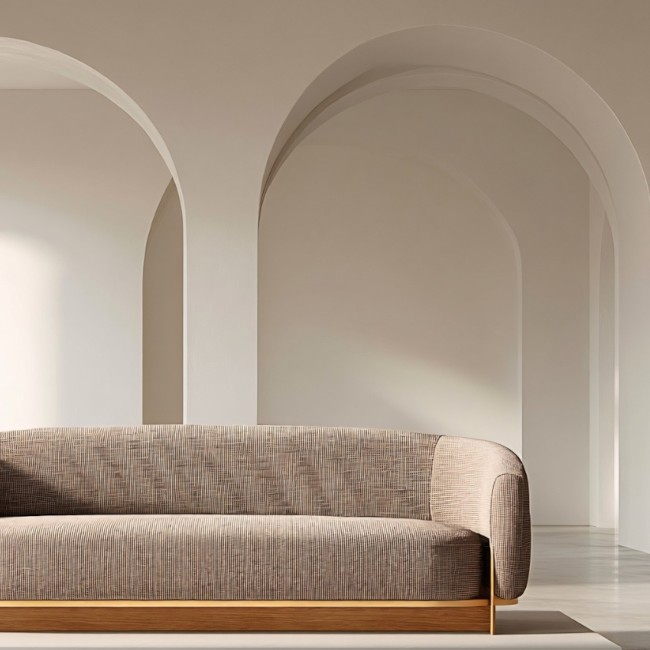
    • Curved sofas, rounded tables, and arched mirrors add a sense of flow and ease.
    • Soft geometry feels less rigid and more welcoming, particularly when mixed with straight lines for balance.

    Styling tip: Pair a curved lounge with a linear sideboard or shelving unit so the room doesn’t feel one-note.

    suki collective whats in and whats out blog

    Concept 5

    What’s Out – faux plants or token greenery

    What’s In – Biophilic accents – real plants that integrate with daily life

    • Greenery isn’t new, but the treatment is getting more thoughtful.
    • Instead of a single faux fiddle leaf here and there, designers are mixing real plants of varying heights and textures to bring life into spaces.

    Styling tip: Build a plant corner with a tall palm or dracaena, a mid-size fern, and a low trailing plant. Choose pots with natural materials — clay, terracotta or stone.

    Concept 6

    What’s Out – traditional use of rugs only under sofas

    What’s In – textural rugs in unconventional spots – layered rugs and rugs in unexpected places

    • Layering rugs – a jute rug under a patterned wool rug, for example adds a collected feeling.
    • Designers are also placing rugs in spots like hallways, kitchens, and bedrooms to define zones and add softness.

    Styling tip: Use a runner in a long hallway or layer a small statement rug over a larger natural-fibre base.

    Concept 7

    What’s Out – fast, trend-driven décor

    What’s In – genuine craft and artisanal touches – handmade, locally crafted pieces

    • There’s a renewed appreciation for craftsmanship.
    • Hand-thrown ceramics, hand-woven textiles, custom joinery.
    • Pieces that tell stories owners can connect with.
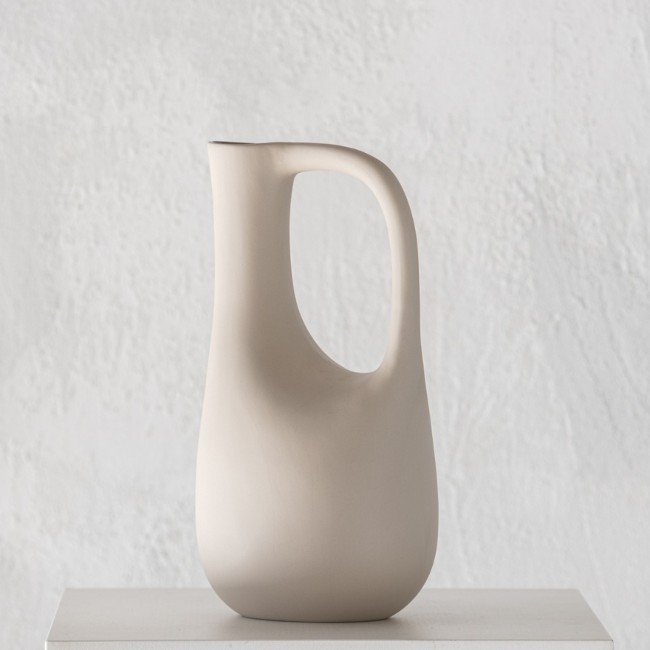
    suki collective archie ceramic jug on a kitchen bench

    Concept 8

    What’s Out – rooms with one single, fixed function

    What’s In – flexible spaces that work harder – multi-purpose living areas 

    • Spaces need to do more these days.
    • Stylists are creating spaces that flex – a living room that doubles as a workspace, a bedroom that feels like a retreat and has a creative nook.

    Styling tip: use subtle zoning – a rug, lighting, or some form of screening to separate functions without building walls.

    To wrap up

    Interior styling in 2026 is showing signs that styling isn’t about rigid rules or reactive trends. It’s about spaces that feel warm, curated, personal and functional.

    There’s a definite trend of moving away from sterile minimalism and filler décor, and leaning into depth, meaning, and comfort without excess.

    If you’re refreshing a space this year, start with texture, colour that feels intentional, and objects that matter. That combination will help keep your space feeling current and genuinely inviting.

    Have fun with it!

    suki collective heart

    See more suki speak

    Continue reading

    Vacation/Staycation: The Staycation Revolution – Why Staying Local is the New Luxury.

    Vacation/staycation – gone are the days when “holiday” strictly means boarding a plane with a suitcase full of “just in case” outfits.

    In 2026, the travel landscape is shifting towards something more intentional, sustainable, and – frankly – a lot less stressful.

    The staycation (a holiday spent in your home city or local region) has evolved from a budget backup plan into a deliberate lifestyle choice. Whether you’re booking a boutique hotel ten minutes away or transforming your own home into a five-star retreat, here is why people are staying put – and how you can make it special.

    Why staycations are trending in 2026

    It’s not just about saving money (although that’s a nice perk). The rise of the staycation is fuelled by a few key cultural shifts to:

    • The “soft era” of travel – after years of “rush tourism” and jam-packed itineraries, we’ve entered an era of “rest-first tourism”. People are starting to prioritise “calmcations” and “sleep tourism” over ticking off every landmark on a map.
    • Economic savvy – with fluctuating global travel costs, staying local allows us to redirect ‘flight funds’ towards high-end experiences. Like trying a hatted restaurant or a luxury spa treatment without the overseas price tag.
    • Sustainability & ease – reducing our carbon footprint can be a major motivator. Plus, there is an undeniable luxury in skipping the 3-hour airport queue, baggage limits, and jet lag.
    • Hyper-local discovery – we often know less about our own backyards than we do about foreign cities. Staycations allow us to visit that museum or hidden hiking trail we always meant to get to.
    suki collective blog

    5 golden rules for creating the ultimate staycation

    A staycation only feels like a holiday if you treat it like one. If you wake up and start doing the laundry, you’ve failed the mission. Here is how to plan a successful staycation.

    1. Set the rules (and stick to them)

    If the staycationing is at home, it’s critical to establish boundaries! No chores and tasks, no checking work emails, and no home maintenance. Use compostable plates and cutlery for the staycation time if eating at home to avoid washing dishes!  

    1. “Hotelify” the staycation space

    If you aren’t booking a local hotel, bring the hotel vibes to you.

      • The bed linen swap – buy or bring out your best linen sheets and make a fresh bed.
      • The scent – use a specific candle or essential oil (like bergamot or sea salt) that you typically only use on holidays to trigger that relaxation response.
      • The amenities – stock the bathroom with luxury toiletries, a stylish linen robe, and high-end chocolates on the pillow.
    1. Plan a “tourist” itinerary

    Don’t just wing it. Research your city as if you’ve never been there.

      • Book ahead – make reservations at that “hard-to-get-into” restaurant or book a guided walking or building tour.
      • The local bucket list – find three places within 20km that you’ve never visited – a quirky gallery, a botanical garden, or a specialised bakery and make them your destinations.
    1. The digital detox

    The quickest way to ruin a staycation is to stay connected to your daily life. Turn off all non-essential notifications. Better yet, leave your phone in a drawer and use a physical camera or a book to fill your time.

    1. Invest in the “oomph factor”

    Use the money you saved on airfare to buy one anchor experience. This could be:

      • A private chef coming to the home to cook a three-course meal.
      • A mobile massage therapist for an in-home spa afternoon.
      • A gold-class movie night or a high-end cocktail masterclass.
    suki collective blog

    Is a staycation for you?

    Ultimately, the beauty of a staycation is its flexibility. It can be a 24-hour reset or a week-long immersion. It’s about reclaiming your time, finding wonder in the familiar and having new experiences in the local area.

    Jumping on a plane and heading overseas may sound exciting but a staycation may be just what you need to relax, reset and refresh – try it!

    suki collective heart

    Continue reading

    Finding Your Calm: Practical Steps for Mental Well-being in a Hectic World

    In our always-on, constantly connected lives, it’s easy to feel overwhelmed. The juggle of work, relationships, endless notifications, global events and year-end holiday festivities can leave us feeling anxious, burnt out, and struggling to keep up – trying to find our calm and mental well-being in a hectic world.

    But here’s the good news – taking charge of your mental health doesn’t require a complete overhaul. Small, consistent steps can make a world of difference.

    We’ve gathered some practical strategies that may help:

    – navigate anxiety

    – prevent burnout

    – set healthy boundaries

    – reclaim your peace through a digital detox.

    1. Taming the anxiety monster – some simple grounding techniques that may help

    Anxiety can sometimes feel like a runaway train, but you generally have the power to slow it down. When you feel that familiar rush of worry or panic, try these grounding techniques.

    • The 5-4-3-2-1 method – this simple exercise can help bring you back to the present moment.
      • 5 things you can see: look around and name them.
      • 4 things you can touch: feel your clothes, the chair, a pen.
      • 3 things you can hear: listen for distant sounds, your breathing.
      • 2 things you can smell: your coffee, a candle, fresh air.
      • 1 thing you can taste: a mint, a recent drink or something you ate.
    • Deep breathing – we know it sounds cliché, but it really seems to work. Inhale slowly through your nose for 4 counts, hold for 4 counts, and exhale slowly through your mouth for 6 counts. Repeat 5-10 times. This activates your parasympathetic nervous system, telling your body to calm down.

    2. Preventing burnout – recognising the signs and replenishing your well

    Burnout isn’t just feeling tired, it can be a state of emotional, physical, and mental exhaustion typically caused by prolonged or excessive stress. Don’t wait until you’re completely depleted to recognise it.

    • Listen to your body – are you constantly tired, even after sleep? Experiencing frequent headaches or stomach issues? Losing interest in things you once enjoyed? These are potential red flags.
    • Schedule “white space” – just as you schedule meetings, schedule time to do absolutely nothing. Stare out the window, sit quietly, take a walk without a specific destination. This unstructured time can allow your brain to decompress and process.
    • Prioritise sleep – non-negotiable. Experts suggest we should be aiming for 7-9 hours. Create a relaxing bedtime routine – dim lights, no screens an hour before bed, a warm shower.
    • Revisit hobbies – what did you love doing before life got so busy? Reading, painting, playing an instrument, bike riding, going to the theatre? Make time for activities that bring you joy and don’t feel like “work.”

    3. The power of “no” – setting boundaries like a pro

    Boundaries are the invisible lines we draw to protect our energy, time, and well-being. Without them, we risk resentment and exhaustion.

    • Start small – if saying “no” feels daunting, begin with smaller requests asked of you. “I can’t take on that extra task today, but I can look at it tomorrow.”
    • Be clear and concise – you don’t need elaborate excuses. “I appreciate the offer, but I won’t be able to make it.” or “My schedule is full right now.” is perfectly acceptable.
    • Boundary up with digital devices – This leads us nicely to…

    4. Reclaiming your focus – the art of the digital detox

    Our phones and computers are incredible tools, but they can also be enormous drains on our mental energy, fuelling anxiety and eroding focus. A digital detox isn’t about abandoning technology forever; it’s about intentional use.

    • Schedule screen-free zones – designate certain times or places as completely digital-free. No phones at the dinner table, no checking emails after 7 PM, or a “no screens in the bedroom” rule.
    • Turn off notifications – most non-essential app notifications are designed to pull you back in. Try turning them off for everything except direct calls or messages from important contacts. It’s strange at first and then becomes quite liberating!
    • One day a week – try a full 24-hour digital detox once a week. Spend the time reading, being in nature, connecting with loved ones in person, or pursuing a hobby. You might be surprised at how refreshed you feel.
    • Create physical space – charge your phone away from your bed. If you work from home, try to “close down” your workspace, even if it’s just shutting your laptop and putting it away.

    Taking care of your mental health is as ‘they’ say…an ongoing journey, not a destination. There will be good days and challenging ones. The key is to build a toolkit of strategies you can rely on. Start with one or two tips and see how they feel. Be patient and kind to yourself – you deserve to find your calm in this hectic world.

    Ask yourself – what is one small step I’m going to take this week to prioritise my mental well-being and to work towards finding my calm?

    See more suki speak

    Continue reading

    How to Live Long & Live Well – Lessons from the World’s Blue Zones

    We have recently come across some longevity secrets from the world’s Blue Zones  – how to live long & live well – these are regions of the world where people live exceptionally long and healthy lives, with a higher-than-average concentration of centenarians.

    Did you know that on the small Greek island of Ikaria (also known as Icaria), nearly one in three people live into their 90s and dementia is almost unheard of.

    Across the globe, several communities share the same secret: long, healthy, happy lives.

    Known as the Blue Zones, these places: Ikaria (Greece), Sardinia (Italy), Okinawa (Japan), Nicoya (Costa Rica) and Loma Linda (California) offer a simple truth: longevity isn’t about luck or genes. It’s about daily rhythm, purpose, and connection.

    Is it more than genetics?

    It’s doesn’t appear to only be genetics; it appears to also be lifestyle.

    Statistics indicate that only approximately 20–30 % of how long you live is attributed to genetics.

    The rest depends on daily choices, how we move, what we eat, who we connect with, and how we rest. Which means individually, we hold the power to create our own version of a Blue Zone life right where we are.

    Eat soft, live large

    In Blue Zones, food is predominantly plant-based, legumes, leafy greens, whole grains, olive oil, and nuts form the foundation. Meat is enjoyed occasionally; processed food is rarely present.

    This way of eating appears to be abundant, colourful, and grounded in balance. But don’t be concerned, treats can still exist!

    Nourishment can be about more than food. Some practices around food that seem to be evident in Blue Zones include thoughtfulness around how they eat, who they eat with, and the environment they create.

    Such as:

    • Making their plate mostly plant based.
    • Practising “Hara Hachi Bu” – eat until they’re 80 % full.
    • Thoughtful eating: eating slowly, being present and without scrolling/devices.

    Move naturally throughout the day

    While physical movement is important in Blue Zones, people don’t seem to hit the gym every day. They move organically through their day: walking, gardening, cooking, and tending to their homes. It’s not about intensity; it’s about consistency and joy.

    Some Blue Zone tips:

    • Walk rather than drive to get morning coffee.
    • Stretch or do light chores between tasks.
    • Keep living spaces open and inspiring.

    Purpose, rest, and connection

    A shared thread across all longevity cultures includes purpose, called ikigai in Japan or plan de vida in Costa Rica.

    Add to that, daily rest, laughter, and community, and you have the true foundation of wellness.

    Try these tips:

    • Spend 15 minutes during the day resting – meditate, read, or nap.
    • Connect with loved ones regularly.
    • Reflect on what gives your life meaning and try to do more of it.

    Create your own Blue Zone

    Whilst it could be very tempting, you don’t need to move to Sardinia to live longer, you can introduce the same essence into your space wherever you are living.

    Some ways to start:

    • If you don’t already, consider introducing plant-based only meals during the week.
    • Introduce more natural movement and walk wherever you can.
    • Rest deeply, even if for short periods of time, outside of typical long sleep.
    • Nurture relationships and gratitude.
    • Design your space for beauty and balance.

    Explore how calm, softness, and ritual can transform the way you live.

    At suki.collective, we know there are some tips in this article that we could adopt to help boost our health and well-being!

    If we choose to want to live long & live well, it appears there are communities around the world doing exactly that. By adopting some of these simple Blue Zone practices, we too can introduce thoughtful living and calm into our hectic lives through daily rhythm, purpose, and connection.

    Give it a try and remember, consistency is key!

    See more suki speak

    Continue reading

    How Hot Sleepers Can Stay Cool All Summer Long

    If, like us, you wake up hot, sweaty, or tossing the sheets off at 2am, you’re not alone. Australian summers can be intense, and for those who naturally run warm at night, staying cool can feel impossible.

    The good news? A few smart changes to your sleep prep, setup and evening habits can make a difference worth talking about!

    Here are some tips on how to beat the heat and sleep comfortably, even on those sticky summer nights.

    Choose breathable bedding (and skip the synthetics)

    The simplest place to start is your bedding. Fabrics like 100% linen are naturally thermoregulating – it lets your skin breathe, it absorbs moisture, and releases heat instead of trapping it.

    Linen’s loose weave helps air circulate, keeping you cool when it’s warm (and warm when it’s cool). If you’re still using polyester or microfiber sheets, you’ll feel the difference immediately after switching to linen.

    Pro Tip: In summer, to style your bed, use a linen duvet cover without an insert – it looks chic and is cooler.

    Linen duvet cover set

    Cool down before bedtime

    If your body is too warm when you hop into bed, it’ll take longer to fall asleep. A simple trick: take a lukewarm shower (not cold) about 30 minutes before bed. It helps your body release heat naturally, which drops your core temperature.

    You can also:

    • Sip cool (not icy) water before bed.
    • Apply a cold compress or cooling gel pack to your wrists or the back of your neck.
    • Keep a water spray bottle by the bed for a quick mist if you wake up hot in the night.

    Make sure your mattress and pillow aren’t the problem

      Foam mattresses and thick pillows tend to trap heat. If a new mattress isn’t on the cards, try adding a breathable topper made from wool, latex, or bamboo to improve airflow.

      Swap out pillowcases made from satin or polyester for a natural fibre like linen. It will wick away moisture, so you won’t wake up sticking to your pillow.

      Get the air moving

      You don’t always need to blast the air-con to stay cool. Airflow is your best friend.

      • Open windows early in the morning or late at night to let hot air escape.
      • Position a fan near a window to pull in cooler evening air or use your ceiling fan to keep air flowing.
      • If you use air-conditioning, try keeping it around 20-23° – cool enough to sleep well.
      Hot sleepers

      Keep the room cool during the day

      If your bedroom has been soaking up heat all afternoon, it will hold onto it overnight. To help avoid that:

      • Close blinds or curtains during the hottest part of the day.
      • Switch off lights and electronics that generate heat.
      • Use block-out curtains to keep out harsh sun.

      It’s all about preventing the heat from building up in the first place.

      Stay hydrated and eat light at night

      Dehydration can make you feel hotter and disrupt your sleep. Drink plenty of water throughout the day and try to ease up on alcohol and caffeine at night – they can both mess with your body temperature.

      Keeping dinner light and early, and including water-rich foods like cucumber, leafy greens, and watermelon may also help with sleep patterns and hydration in the summer months.

      Try a quick cooling hack

      For extra relief on those hot, humid nights, rather than putting your head in the freezer to cool down – pop your pillowcase or top sheet in a ziplock bag and stick it in the freezer for ten minutes before bed. It’s a quick fix, but it can help you drift off faster while your body settles into sleep mode.

      Hot sleepers

      The bottom line

      Hot nights don’t have to mean restless sleep. Small changes – especially swapping out synthetic bedding for natural linen – can make a huge difference in how comfortably (and how long) you sleep.

      With the right prep and setup, you may actually look forward to slipping between the sheets – even in the middle of summer!

      See more suki speak

      Continue reading

      Travelling? Don’t lose sleep over it!

      Travelling? Don’t lose sleep over it! Travelling can be exciting and inspiring whether it’s for business or leisure, but it’s not always restful. Between jet lag, unfamiliar beds, and noisy environments, even seasoned travellers can struggle to get a good night’s sleep away from home.

      And poor sleep can make the days feel longer, your patience shorter, and your enjoyment lower.

      The good news? With a little planning and a few tactical and practical habits, you can set yourself up for quality rest no matter where your adventures take you.

      Read on for a few tactical and practical habits to introduce into your travel planning.

      Keep a sleep routine (as much as possible)

      Our bodies run on an internal clock called the circadian rhythm. It loves consistency. While it’s tempting to stay up late exploring or working, aim to go to bed and wake up at roughly the same time every day – even on the road.

      If you’re travelling across time zones, consider starting to adjust your sleep schedule a couple of days before you leave. Go to bed and wake up 30–60 minutes earlier or later (depending on your destination) so the change feels less jarring when you arrive.

      Bring comforts from home

      The fastest way to make a strange bed feel like your own is to bring small, familiar items.

      • Pillowcase: The scent and texture of a pillowcase you typically use at home can be surprisingly comforting.
      • Eye mask: A must-have if your accommodation doesn’t have blackout curtains.
      • Earplugs or noise-cancelling headphones: Perfect for blocking street noise, hallway chatter, or early-morning roosters.

      Control the light around you

      Light is one of the strongest signals to your body that it’s time to be awake. In the evenings, keep lights dim and avoid bright screens for at least an hour before bed. If you can’t block outside light completely, a comfortable sleep mask can make all the difference.

      In the morning, step outside as soon as you can – natural daylight helps your body clock reset quickly, making it easier to adapt to a new time zone.

      Keep cool and comfortable

      A cooler room – around 18-20°C – is ideal for most people to sleep soundly. Unfortunately, you can’t always control the climate in hotels or paid accommodation. If the room’s too warm:

      • Use a fan (or request one if it’s not provided).
      • Keep curtains closed during the day to block heat.

      Be mindful of your caffeine and alcohol intake

      Coffee and energy drinks can linger in your system for 6 – 8 hours, making it harder to wind down at night – a solution might be to try and avoid caffeine late in the day.

      Alcohol may help you nod off initially, but it can often disrupt the deeper stages of sleep due to sugar spikes in your system – potentially leaving you feeling exhausted the next day. Who wants that when travelling? Stay hydrated by drinking lots of water.

      Have a wind-down ritual

      Travel days can be busy, overstimulating, and unpredictable. Having a simple pre-sleep routine gives your body a “time to rest” signal. It could be as quick as:

      • Nightly skincare routine
      • Doing a few minutes of stretching
      • Reading a book or listening to calming music

      Be smart about jet lag

      If you’re flying across multiple time zones, jet lag can be unavoidable – but you can try to minimise it. Here are some tactical tips.

      • Before your trip, shift your sleep schedule gradually.
      • When on the flight, think about the time zone you are heading to and plan your flight activities – watching a movie, reading a book, eating meals and getting some sleep – to fit in with the time zone of your destination.
      • While away, use short naps wisely – 20-30 minutes in the afternoon can help you recharge without making nighttime sleep harder or missing out on too much. Set an alarm!

      Choose accommodation with sleep in mind

      If you have the choice, pick a place that’s likely to be quiet and comfortable. Rooms away from lifts, stairwells, or busy streets can make a big difference. Reviews often mention noise levels—so it’s worth checking before you book.

      To wrap up

      Sleep might not be the first thing you think about when planning a trip, but it can make or break your experience.

      A well-rested traveller typically enjoys more, remembers more, and can potentially handle challenges better.

      Happy travels!

      See more suki speak

      Continue reading

      100% French flax linen duvet cover set on a bed

      Why Linen Sheets Are More Sustainable (& Better) Than Cotton and Bamboo

      When it comes to choosing bedding, many people weigh comfort, style, and durability. Increasingly, sustainability is a huge part of the decision as well. So, why are linen sheets more sustainable (& better) than cotton and bamboo?

      Cotton and bamboo are both popular choices, but if you’re looking for the most eco-friendly, long-lasting, and naturally comfortable option, 100% linen stands out from the rest. Here’s why.

      Linen uses less water to grow than cotton and bamboo

      Cotton is one of the thirstiest crops in the world. It requires enormous amounts of irrigation, pesticides, and fertilisers to grow, making it tough on the planet.

      Bamboo is often marketed as “eco-friendly,” but the process of turning tough bamboo stalks into soft fabric typically involves heavy chemical treatments and high water usage.

      By contrast, linen is made from the flax plant, which thrives on natural rainfall and needs far less water to grow. It’s one of the most water-efficient textiles available, making it a genuinely sustainable choice.

      Linen is fully biodegradable

      At the end of its life cycle, 100% linen returns to the earth without leaving behind harmful microplastics or chemical residues. Cotton will biodegrade too, but bamboo-based fabrics – often a rayon or viscose – undergo so much processing that they lose this natural advantage. Choosing pure linen means choosing a fabric that goes back to the soil as cleanly as it came out.

      Stronger and longer lasting

      One of linen’s superpowers is its strength. Flax fibres are naturally thicker and sturdier than cotton or bamboo fibres, which means linen sheets can last decades if cared for properly. Cotton wears out faster and loses shape over time, and bamboo fabrics, while silky soft at first, tend to pill and weaken after repeated washing and use.

      Sustainability isn’t just about how something is made – it’s also about how long it lasts. With linen, you won’t need to replace your sheets nearly as often, which saves resources (and your wallet) in the long run.

      Naturally low-impact farming

      Flax is a hardy plant. It grows well in cooler climates, requires fewer pesticides than cotton, and makes use of the whole plant. Nothing goes to waste. Linseed oil, flaxseed for food, and even byproducts for animal feed come from the same crop.

      Comfort that improves with time

      While cotton softens with use and bamboo starts off silky, linen has a unique quality. It gets softer, stronger, and more beautiful the more you use it. That means your sheets don’t just last longer – they get better over time. This built-in longevity is one of the most sustainable features of all.

      Temperature-regulating and naturally antibacterial

      Beyond sustainability, linen performs better in daily life. It keeps you cool in summer, warm in winter, and wicks away moisture so you stay comfortable all night.

      It’s also naturally antibacterial and hypoallergenic, making it ideal for sensitive skin. Cotton and bamboo have their merits, but they can’t match linen’s unique ability to adapt to your body and environment.

      To wrap up

      Cotton and bamboo sheets are often marketed as sustainable, but when you look closely at the full picture, 100% linen comes out ahead.

      Linen uses less water, lasts longer, and returns safely to the earth when its time is up – all while offering unmatched comfort and beauty.

      When you choose linen, you’re not only investing in better sleep – you are also investing in a fabric that’s kinder to the planet.

      See more suki speak

      Continue reading

      Biophilic Design – Interesting? What Is It?

      Biophilic design is a major trend in architecture right now, but it’s more than a passing fad and an awarded design technique. It’s becoming a core design philosophy, especially in wellness-focused, sustainable, and future-forward building projects.

      Biophilic design is all about bringing the outdoors in with plants, light & nature-inspired textiles.

      No, we’re not taking a blast back to the past…in today’s fast-paced, screen-heavy world, there’s a growing longing for something softer, quieter, and more grounded in the spaces we spend time in.

      Enter biophilic design – a design philosophy embedded in our innate connection to nature. More than a trend, it’s a way of designing spaces that help us feel calmer, sleep better, and live more meaningfully – all by bringing the outdoors in.

      But what exactly is biophilic design? And how do you make it work in your home? Read on!

      What is Biophilic Design?

      The word “biophilia” means “love of life” or “love of nature.” Biophilic design is the art of incorporating natural elements into the places we live and work to support our wellbeing.

      It’s not about building a jungle in your living room (though, go for it if that’s your vibe!). It’s about using plants, light, textures, materials, and colours to create spaces that feel alive, calming, and connected to the natural world.

      Why It Matters More Than Ever

      Studies show that, on average, individuals now spend approximately 90% of their time indoors. That disconnect from nature has been linked to increased stress, poor sleep, and even decreased creativity. Biophilic design can help address that by:

      • Boosting mood and reducing anxiety.
      • Enhancing focus and creativity.
      • Supporting deeper rest and relaxation.
      • Making homes feel more soulful and lived in.
      How do You Start Implementing Elements of Biophilic Design?

      Here are some easy and beautiful ways to bring biophilic design into your home:

      1. Indoor Plants

      From leafy figs to low-maintenance snake plants, greenery instantly softens a room and helps to purify the air. Even one plant adds life and vibrancy.

      Tip: Cluster plants in different heights and textures for a lush, layered feel.

      2. Natural Light

      Let the sunlight in. Open your curtains wide, swap heavy blinds for sheer drapes, and consider adding mirrors to reflect daylight throughout your home.

      Tip: Arrange your most-used spaces – like reading nooks or desks – near windows to boost your daily dose of sunshine.

      3. Nature-Inspired Textiles

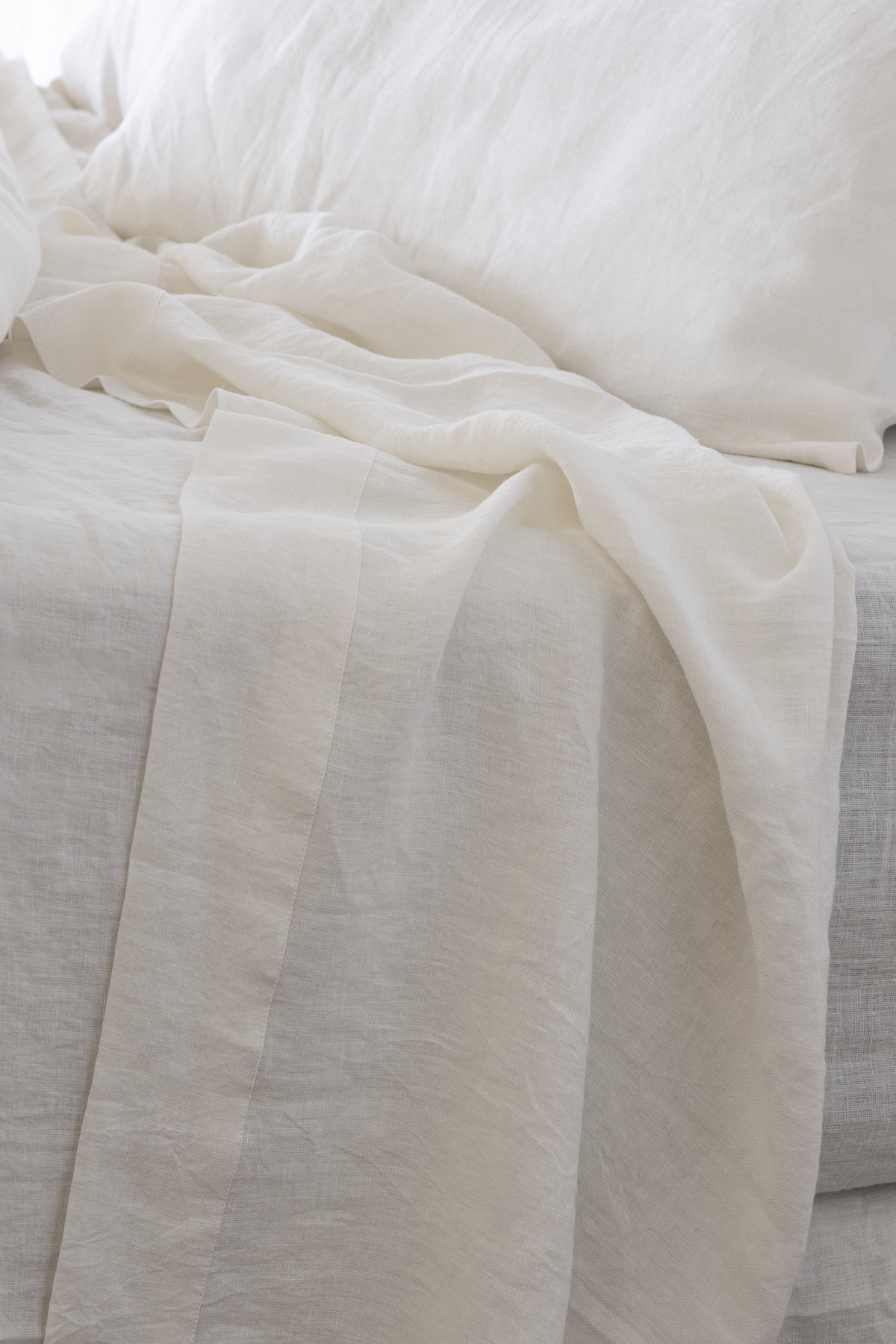
      Choose textiles made from natural fibres like linen. Consider earthy tones – natural, warm white, caramels, charcoal.
      4. Think About Raw, Organic Materials

      Swap out synthetic or glossy surfaces for timber, stone, clay, jute, as well as reclaimed materials. These not only look beautiful but also add natural warmth and texture.

      5. Incorporate Sights, Sounds & Scents of Nature
      • Consider a small water feature with lilies or with a soft, calming water sound.
      • Use essential oils, room sprays or natural candles with earthy scents like eucalyptus, cedarwood, or wild orange to bring stunning scents that support a biophilic space.
      Biophilic Bedrooms & Bathrooms

      These are the spaces where biophilic design really shines.

      In the bedroom, try:

      • Soft, breathable, hypoallergenic 100% linen sheets.
      • A well-placed stylish plant.
      • A sunrise alarm clock or sheer blinds for gentle light wake-ups.

      In the bathroom, think:

      Biophilic Design isn’t Just About Creating a Beautiful Space

      It’s about creating a nourishing environment. One that reminds you to breathe. To slow down. To reconnect with what really matters while still looking designed and stylish.
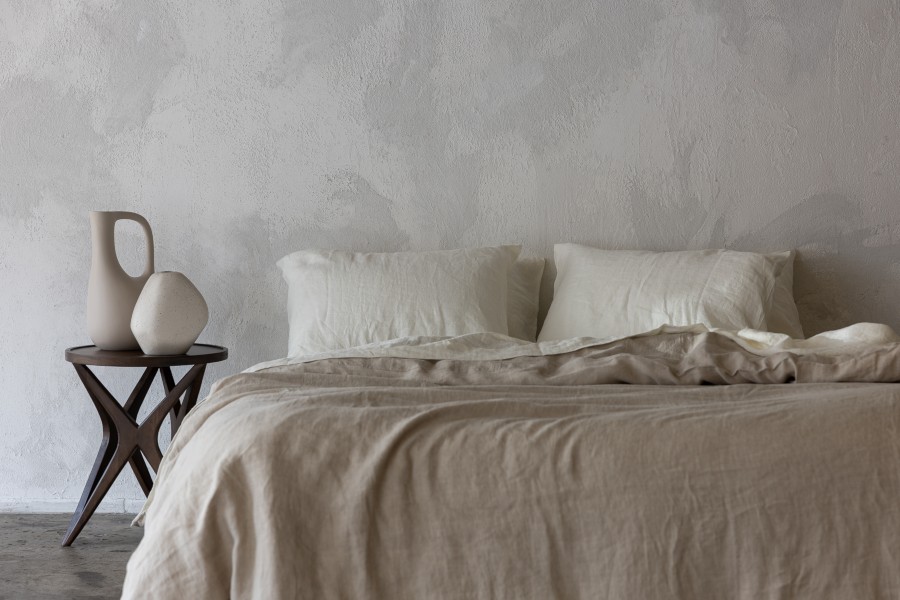

      Whether it’s a leafy plant in the corner, sunlight on linen sheets, or the gentle rustle of natural fabric sheer curtains allowing sunlight in – bringing the outdoors in is one of the simplest ways to bring more joy and peace into our everyday life.

      When looking to style up your space, consider how you might incorporate elements of biophilic design – your soul will thank you for it.

      See more suki speak

      Continue reading

      Like To Be Greener at Home?

      Going green at home – read on for some simple swaps to help create a sustainable lifestyle.

      In our fast-paced world, it’s easy to feel overwhelmed by the sheer scale of environmental challenges.

      But here’s the good news: living a more sustainable and eco-friendly life doesn’t require a complete overhaul of your existence. In fact, many of the most impactful changes are small, everyday habits you can adopt right in your own home.

      Going green at home

      Think of it as making a series of smart swaps and mindful choices. Every little bit truly helps. Ready to reduce your waste, make eco-conscious product choices, and embrace a greener lifestyle without feeling overwhelmed?

      Read on for some practical tips you can implement starting today!

      1. Master the Art of Waste Reduction (the 4 Rs – Reduce, Reuse, Recycle, Rot!)

      This isn’t just a catchy phrase; it’s completely doable.

      • Reduce – it’s the first step
        • Say no to single-usecarry a reusable water bottle, coffee cup, and shopping bags. This is the biggest immediate impact.
        • Buy in bulk – if you have the storage space for pantry staples like rice, pasta, etc, buying in larger quantities reduces packaging waste.
        • Rethink before you buy do you really need that new gadget, or can you borrow, repair, or make do with what you have?
        • Opt for digital it’s not hard these days to choose e-statements, e-tickets, and digital subscriptions over paper where possible. Most organisations offer digital first.
      • Reuse what you can
        • Repurpose jars & containers glass jars from spreads, pickles, olives etc are perfect for food storage and spices.
        • Give items a second life before tossing, consider if something can be repurposed (e.g., old t-shirts for cleaning rags, old towels for pet bedding).
        • Donate or sell give clothes, furniture, or books a new home rather than sending them to landfill.
      • Recycle properly
        • Know your local council rulesrecycling varies by council. Check your local council’s website for specifics on what can and can’t go into your bins. It takes a little effort and can help prevent contamination from being a big problem.
        • Rinse containers a quick rinse prevents food residue from contaminating other recyclables.
        • Flatten cardboard save space and help the recycling process.
      • Rot (Compost) your organics if you have the space
        • Start a compost bin food scraps (fruit, veg, coffee grounds, tea bags) and garden waste can be turned into nutrient-rich soil. Even a small balcony can host a worm farm or a compact composter for potted plants!
        • Use a green bin if your local council offers a green waste bin for food and garden scraps, make full use of it. This diverts organic waste from landfill where it produces harmful methane gas.

      2. Be More Mindful – Make Eco-Conscious Product Choices

      Every purchase you make is a vote for the kind of world you want to live in.

      • Prioritise quality over quantity consider investing in durable items that last longer, reducing the need for frequent replacements (e.g., quality linen bedding!).
      • Read labels & look for certifications
        • Fair trade supports ethical labour practices.
        • Cruelty-free products not tested on animals.
        • Recycled content indicates the product is made from previously used materials.
      • Support local & ethical businesses buying from local businesses supports your community and economy. Research brands to see their environmental and social policies.
      • Consider choosing concentrates & refillable options for cleaning products and household items, look for concentrated formulas or brands that offer refill programs to reduce plastic waste.

      3. Embrace a Greener Lifestyle at Home

      Beyond what you buy and throw away, how you live daily makes a difference.

      • Conserve Energy
        • Unplug “vampire” electronicsdid you know that devices still draw power even when turned off?
        • Use natural light wherever possible, open blinds and curtains during the day & let natural light flood in.
        • LED lighting switch to energy-efficient LED bulbs.
        • Smart thermostat optimise heating and cooling (crucial in Australian summers!).
        • Wash clothes in cold water most detergents now work just fine in cold water – a huge energy saver.
      • Conserve water
        • Shorter showers every minute counts, make it quick!
        • Fix leaks quickly – a small drip can waste litres of water over time.
        • Water your garden smartly water early in the morning or late evening to reduce evaporation. Consider drought-resistant plants and/or plants that don’t require frequent watering.
        • Full Loads – only run washing machines and dishwashers when they’re full.
      • Embrace second-hand – buying pre-loved furniture, electronics, vehicles and house-hold items reduces demand for new production and keeps items out of landfill. Op shops and online marketplaces are treasure troves!

      Sustainable living isn’t about achieving perfection; it’s about progress. If we all say “my little effort won’t make a big impact” making any sort change for the better will be a very slow process.

      Start with one or two small changes this week and gradually build on them. You’ll be surprised how quickly these simple shifts add up, contributing to a healthier planet and often, a healthier you!

      See more suki speak

      Continue reading